A Christmas Lesson

One of the holiday traditions around our house is the crafting of "gingerbread" houses. Actually they're made of graham crackers, but who cares, right?

No exaggeration, my Amazing-Missus has made hundreds of these things for kids to decorate over the years. And like snowflakes, each one is unique and a fulfillment of the vision of its creator.

So wafting through our house at Christmas time along with the fragrance of candles, spiced cider, and artificial pine, you can also smell sweets, graham crackers and the distinctive aroma of hot glue guns. Sort of like what you would imagine at Martha Stewart's house.

One of the lessons learned early for our boys is that sometimes the culinary arts are meant to be enjoyed only visually, like sculpture or painting or macaroni art.
Many years ago I documented the learning of this lesson in a three-picture photo journal that we'll call: "Like Birthday Cakes--You Can Have Your Gingerbread House, But You Can't Eat It."

In the first photo you'll notice a young Kyle giving a quick lick to his house. I guess he thought this must be okay because big brother is laughing at him and Dad's snapping pictures like it's some big Kodak Moment or something.
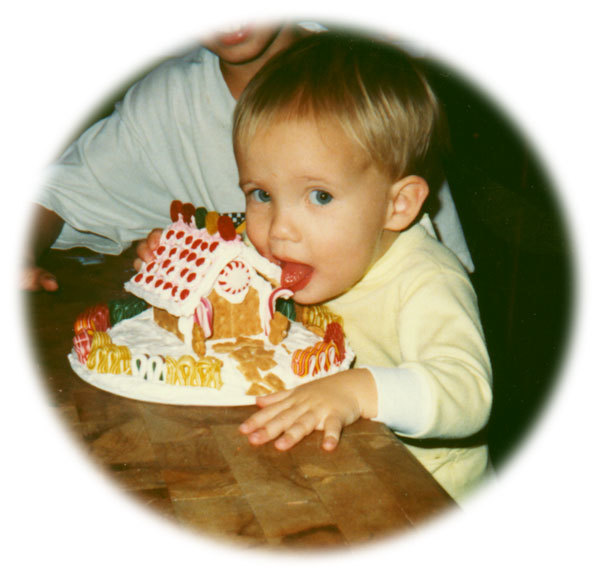
Kyle-1.jpg

So, in shot two, he digs in--making the enjoyment of this art a full-multi-sensory experience.

Kyle-2.jpg

In shot three the authorities (his mother) have swooped in and put a stop to the whole thing. Painful lesson learned.

Kyle-3.jpg


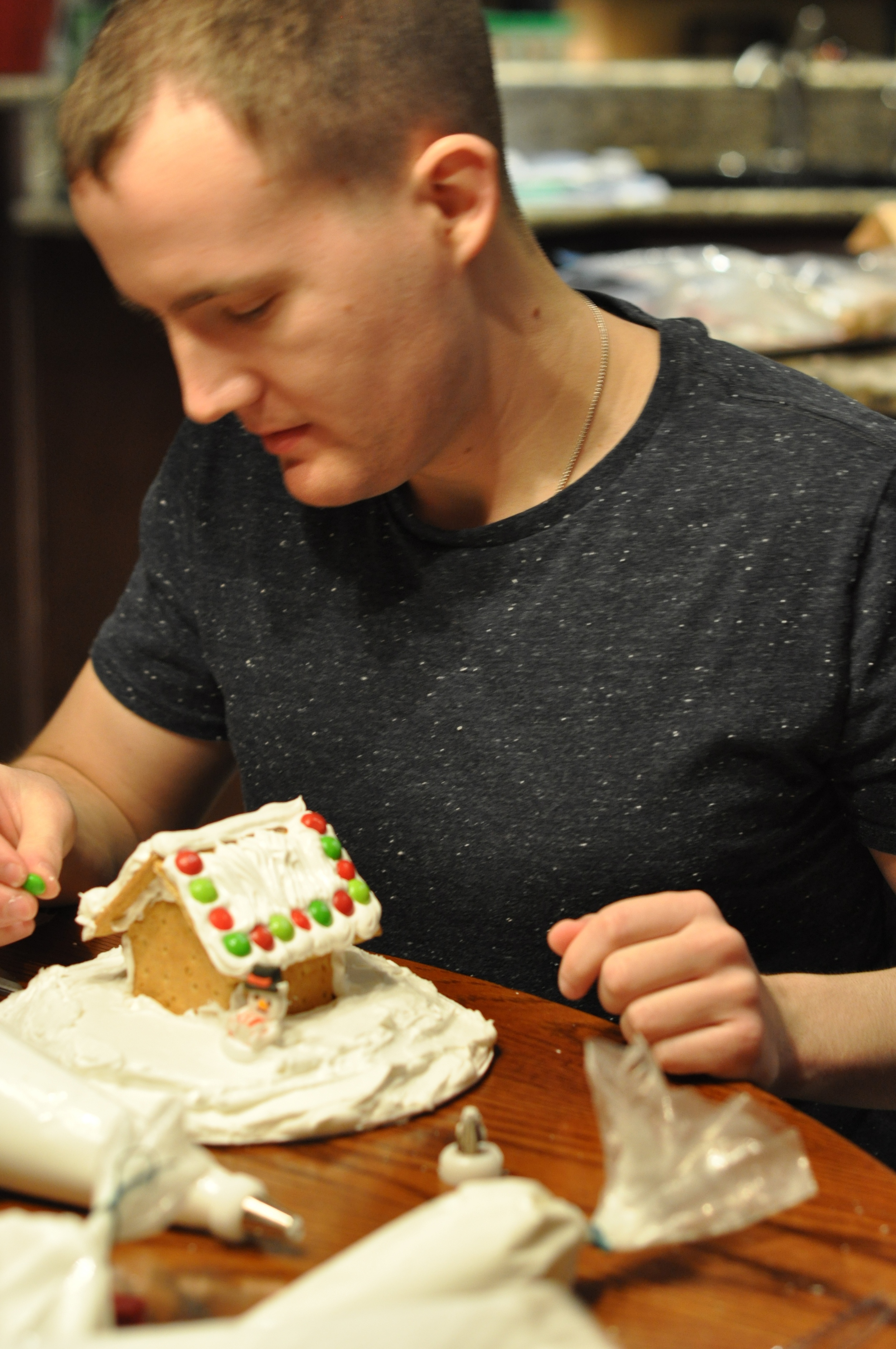
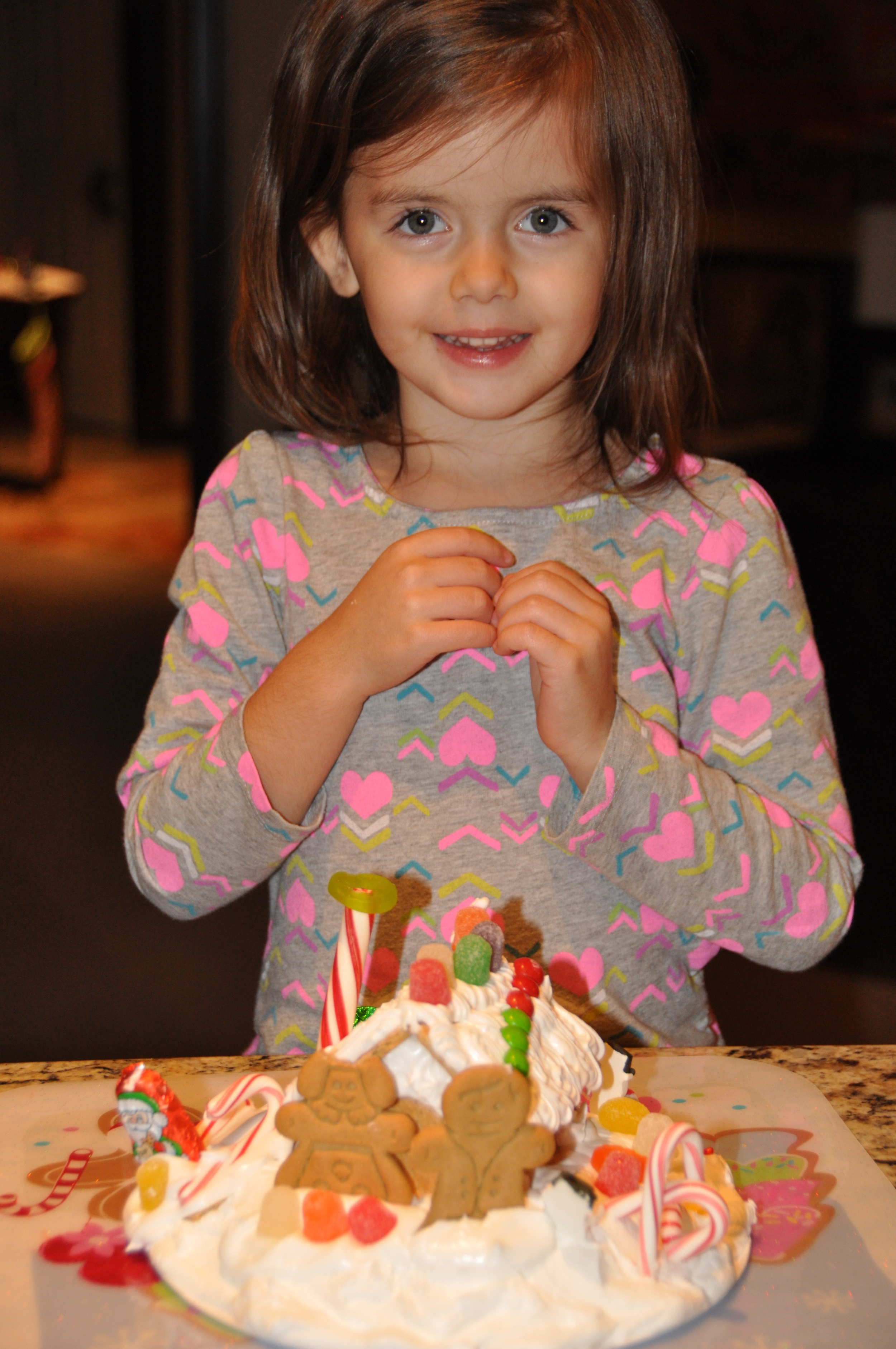
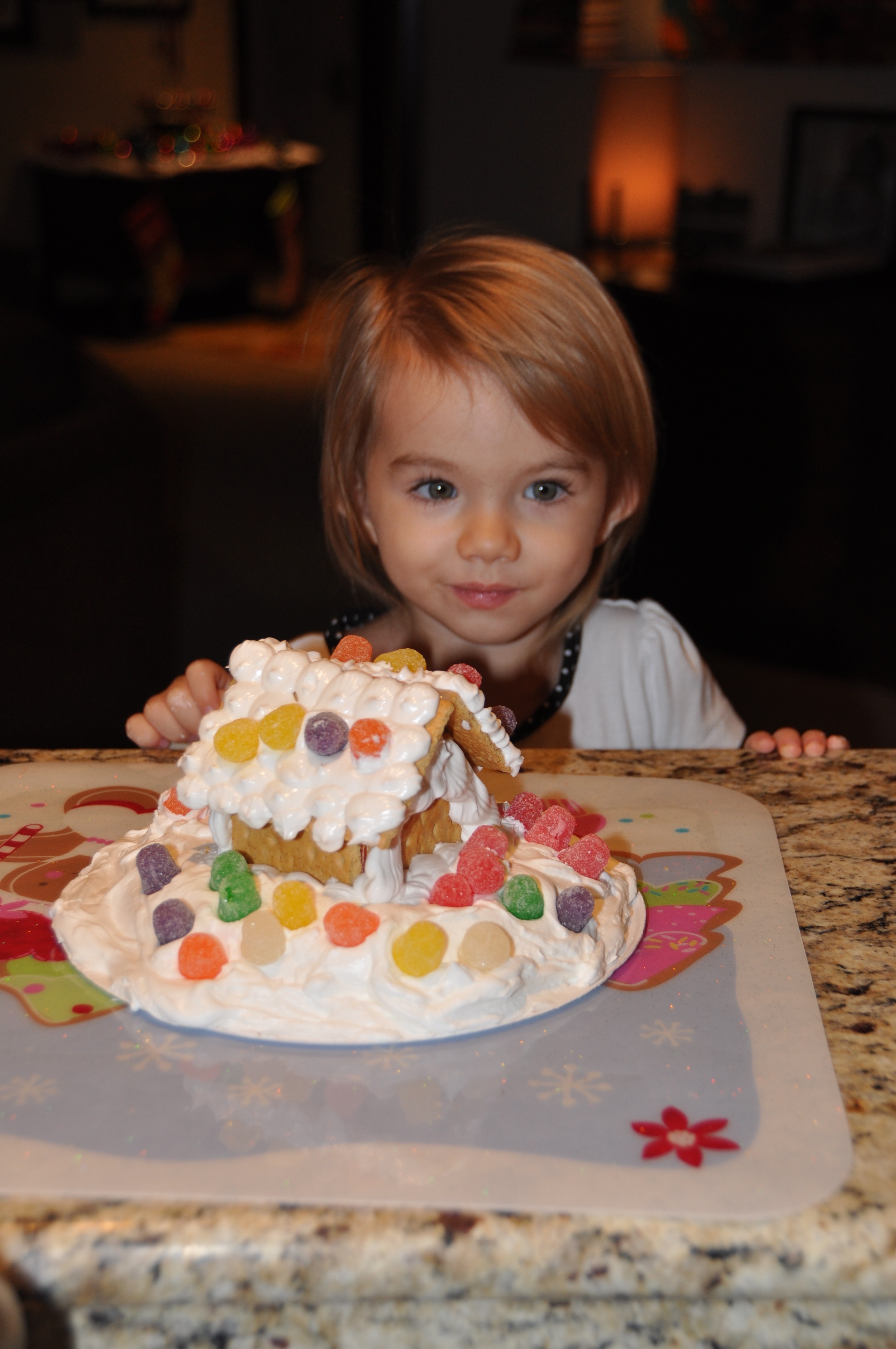
The tradition continues. Now the Grand-Girls enjoy decorating their own houses. Here's the photo journal of this year's work including a shot of the now grown-up Uncle Kyle working on his 2013 model. And now, if he wants to eat it when he's done...
A Fear Not Story

A while back I wrote a piece about the story of Christmas. Rather than repost here I want to link you to the blog of a dear friend, Rob Carmack. Rob graciously asked me to write a guest post for his blog, and so you'll find the piece at www.robcarmackwords.com.

While you're there be sure to check out Rob's other posts. I love his thought-provoking insights and always learn something.

wwi.jpg

Advent

I'm a few days late offering this, but it will be easy to catch up if you find this useful or interesting. This is an advent countdown of sorts I put together a few years ago. It is composed of texts and thoughts about the themes of advent: anticipation, expectant waiting.

Officially advent began November 29th, 27 days before Christmas. In this countdown I did an entry to read and ponder for each day. The word count or each days's entry reduces by one as you progress through the countdown. For example, on the November 29th entry the number of words is 27. On December 25th, there is just one word.


An Advent Countdown of Thoughts and Texts

Nov 29
 “But unto you that fear my name shall the Sun of righteousness arise with healing in his wings...” A curtain closes and a 400-year wait begins. (Malachi 4:2)

Nov 30
And the Psalmist’s words resonate. “We see not our signs; there is no more any prophet; neither is there among us any that knoweth how long.” (Psalm 74:9)

Dec 1
But the prophet’s words seemed to carry with them a certain imminence. Are hope and despair endpoints on a common scale that tips with time?

Dec 2
“I’m homesick—longing for your salvation; I’m waiting for your word of hope. My eyes grow heavy watching for some sign of your promise...” (Psalm 119:81-82)

Dec 3
Little darling, it's been a long cold lonely winter 
Little darling, it feels like years since it's been here 
Here comes the sun (Here Comes The Sun. The Beatles.)

Dec 4
Waiting as part of community seems more heartening and anticipatory than waiting in solitude, where it can take on a certain dreadfulness.

Dec 5
“To expect too much is to have a sentimental view of life and this is a softness that ends in bitterness.” (Flannery O'Conner)

Dec 6
“All around us we observe a pregnant creation. The difficult times of pain throughout the world are simply birth pangs.” (Romans 8:22a. The Message.)

Dec 7
“The experience of each new age requires a new confession, and the world seems always waiting for its poet.” (Ralph Waldo Emerson)

Dec 8
What was that about being “despised and rejected”? Isn’t that incongruous with the image of the promised redeemer?

Dec 9
Who can pretend to empathize with the nine-month waiting of a pregnant and unmarried, teenage virgin? 

Dec 10
Wonder like a child whose expectancy is untainted by the disappointments and broken promises of yesterday.

Dec 11
Did those who were waiting ever picture dirt floors, straw and the smell of animals?

Dec 12
The stuff of expectancy: name choice, nursery colors, and shower registry somehow seem superfluous.

Dec 13
Anticipation can be so sweet when you’ve heard the angel say, “Fear not!”

Dec 14
“These sterile and barren bodies of ours are yearning for full deliverance.” (Romans 8:23)

Dec 15
Fresh bread and rich wine prove the sensory power in anticipation.

Dec 16
Now bread and wine remind us as we wait again.

Dec 17
The poetry of longing: yearning, ache, burning, hunger, thirst

Dec 18
It’s already settled. His name will be Jesus.

Dec 19
Remind us again what the angel promised.

Dec 20
Anticipation’s counterpoint is often-times anxiety.

Dec 21
“Come Thou Long Expected Jesus.” (a hymn by Charles Wesley)

Dec 22
“a Man of Sorrows” (Isaiah 53.3)

Dec 23
Prince of Peace

Dec 24
Birth pains

Dec 25
Incarnation!


Pass The Green Bean Casserole

In my last post, "Snow Day", I wrote how my view of summer swims and winter snow-fun have changed with the passage of time.  I'm not sure I can think of a more picturesque timeline of aging than the roles we play at Thanksgiving.

At sixty-something, I've moved from the kids table to very near the far opposite end of the long table. You know the continuum I'm talking about: Five minutes in to the meal the little kids are off to play after having not "eaten enough to keep a bird alive." The next generation are off in a corner with the earbuds in, texting their equally bored friends at family gatherings everywhere. Those that can (and a few who shouldn't) head outside for touch football.

greenbean-casserole.jpg

Then there's our end of the table. We're still at the table, covering deep subjects: how many MPGs we got on the drive over, how this could be the last Thanksgiving now that ObamaCare is the law of the land, the roll-call of all those we know who have had joint replacements and other surgeries (pass that giblet gravy).

Speaking of giblet gravy: there's a reason that the offal comes in a separate bag when you buy a turkey--so you can throw it away. Don't put it in the gravy or dressing or anything else people might consume.

The "offal", btw, is a collective term for the liver, gizzard and other viscera; also known as the "guts" or "innards". I'm guessing the derivative of the word might be that someone looked at a pile of innards and said what should we call this? The unanimous opinion was "awful" but it was misheard.

While on the subject of food, which obviously is the star of the Thanksgiving production, and speaking of ingredients that shouldn't be added: my Amazing-Missus' family has a tradition of adding oysters to the dressing. It's a dish that's been on the table at each Thanksgiving we've celebrated together in our 41 years of marital bliss. I don't know that I've ever seen anyone actually eat it. Oh they'll courteously put a glob on their plate, but I've never heard anyone say, "Pass me some more of that oyster dressing!"

I'm glad it's on the table though because it serves the role of all good traditions--it connects the generational dots, it keeps the narrative going, it helps us remember. I know that someone will look at the spread of food and say, "Oh, here's the oyster dressing. Granddad loved oyster dressing." Granddad is the great-great-great grandfather of those who are the youngest of our Thanksgiving gathering and though he has been gone for many years, he's still part of the story.

You might say he's still "at the table" albeit the far, far end from the kid's table. That's what I want--to always have a place at the table.

Maybe someone will say, "Here's the green bean casserole. Wasn't it that crazy Uncle, what was his name, who loved green bean casserole?"


Oh, FYI: The green bean casserole was first created in 1955 by the Campbell Soup Company. Dorcas Reilly led the team that created the recipe while working as a staff member in the home economics department. The inspiration for the dish was "to create a quick and easy recipe around two things most Americans always had on hand in the 1950s: green beans and Campbell’s Cream of Mushroom Soup." --Wikipedia