Pops Flicks Picks Part 3. For Coloreds Only.

"Well we're safe for now. Thank goodness we're in a bowling alley." Big Bob.

Remember Psych 101? Freud and the "Pleasure Principle"? That, for us mortals, it all comes down to instinctively seeking pleasure and avoiding pain. Jeremy Bentham agreed, "Nature has placed mankind under the governance of two sovereign masters, pain and pleasure".

I've been working on a project called Storyline (by Donald Miller). Recently, in the project there was discussion about Freud's theory and the contrast with the work of psychologist, Viktor Frankl, who took Freud on: "When a person can't find a deep sense of meaning, they distract themselves with pleasures." -- Viktor Frankl

It's been awhile since I made an installment in the series, POPS' FLICK PICKS. The first two were my take on The Graduate and Finding Forrester.

For the third of the series I want to suggest the movie Pleasantville.

First, the movie is worth watching because it is funny, entertaining and has a great cast that does a wonderful job with the concept--a setting of a B&W 50s TV Family, think Ozzie & Harriet, Father Knows Best, The Cleavers, etc.

But it is also worth it because it is challenging and will provoke thought if you let it (in other words: are you "colored"?)

The film uses color as a metaphor. A lot of the reviews and commentary say that it is a metaphor for enlightenment. I think that's one aspect (in a small e enlightenment way). But I think it goes way beyond Enlightenment (big E) worldview to Romanticism (big R), and beyond.

A few questions to ponder as you watch:
Is Pleasantville "pleasant" in a way that is characterized by the kinds of "pleasures" Freud had in mind? It seems like the good folks of Pleasantville wanted to preserve their utopia but maybe not necessarily in an epicurean way. Agree? But they seem so happy with a shallow, colorless pleasantness, fearing dystopia without even knowing what it might look like.

I am so afraid of doing that--being a party to allowing the creation of a stark, grayscale, false sense of security kind of existence. The older I get the harder it is to say, "bring on the color" knowing we risk dystopia. But I believe we risk it either way.

I think maybe Pleasantville sort of helps make Frankl's case: there is something beyond "pleasure." There is the possibility of "finding a deep sense of meaning." I know. I've had glimpses of it. I've seen it in others.

To me, that's what the "colored" metaphor is about. Watch the movie and you'll see that people become colored for a number of reasons: passion, discovery, beauty, honesty (even honest anger), all stuff that makes us fully human. Is there the risk of hurt, harm, heartbreak? Yes. Is it worth it?

Last Saturday we went to an art show. We've been friends of the family of this young artist for several years. Her name is Sterling Smith and she is wonderful. Currently she is doing some pieces in watercolor with pen & ink. I love the mix of these two mediums (or is it media) and apparently she does too. I asked Sterling what she liked about the mix. I'm paraphrasing what I heard her say:

I think the two (watercolor and ink) are like life. The watercolor spectrum is unlimited, on wet paper the color flows where it wants to, there are gradients and loose edges. The ink though is monochromatic, and constricted. It is defined and definite.

I guess sometimes we need both.

If you've seen Pleasantville, maybe what I've written here makes some sense. If not, watch it. I hope I haven't given too much away. I hope by the end of the movie you will be "colored" even if you're outlined with ink.

At least watch the trailer...

Pleasantville Movie Trailer


A Little Help From Mother Goose

A FEW HAVE ASKED, "Where were you trying to go with that Anthropo-whatever-ism post?

Who knows? My mind tends to wander and wonder. Let me quickly add in the wonderful words of J.R.R. Tolkien, "All who wander are not lost."

It all started with just some thinking about that word: anthropomorphism. And that lead to thinking about how it is so apparent and powerful in our everyday lives. Take the timelessness of Mother Goose for example:

THE CAT AND THE FIDDLE

karlee,pops & mother goose

karlee,pops & mother goose

Hey diddle, diddle!
The cat and the fiddle,
The cow jumped over the moon;
The little dog laughed
To see such sport,
And the dish ran away with the spoon.

I hope you are not plagued with that literal-minded curse that causes people to scoff at a fiddle-playing cat and a dish and spoon growing arms and hands and legs so they can run away together.

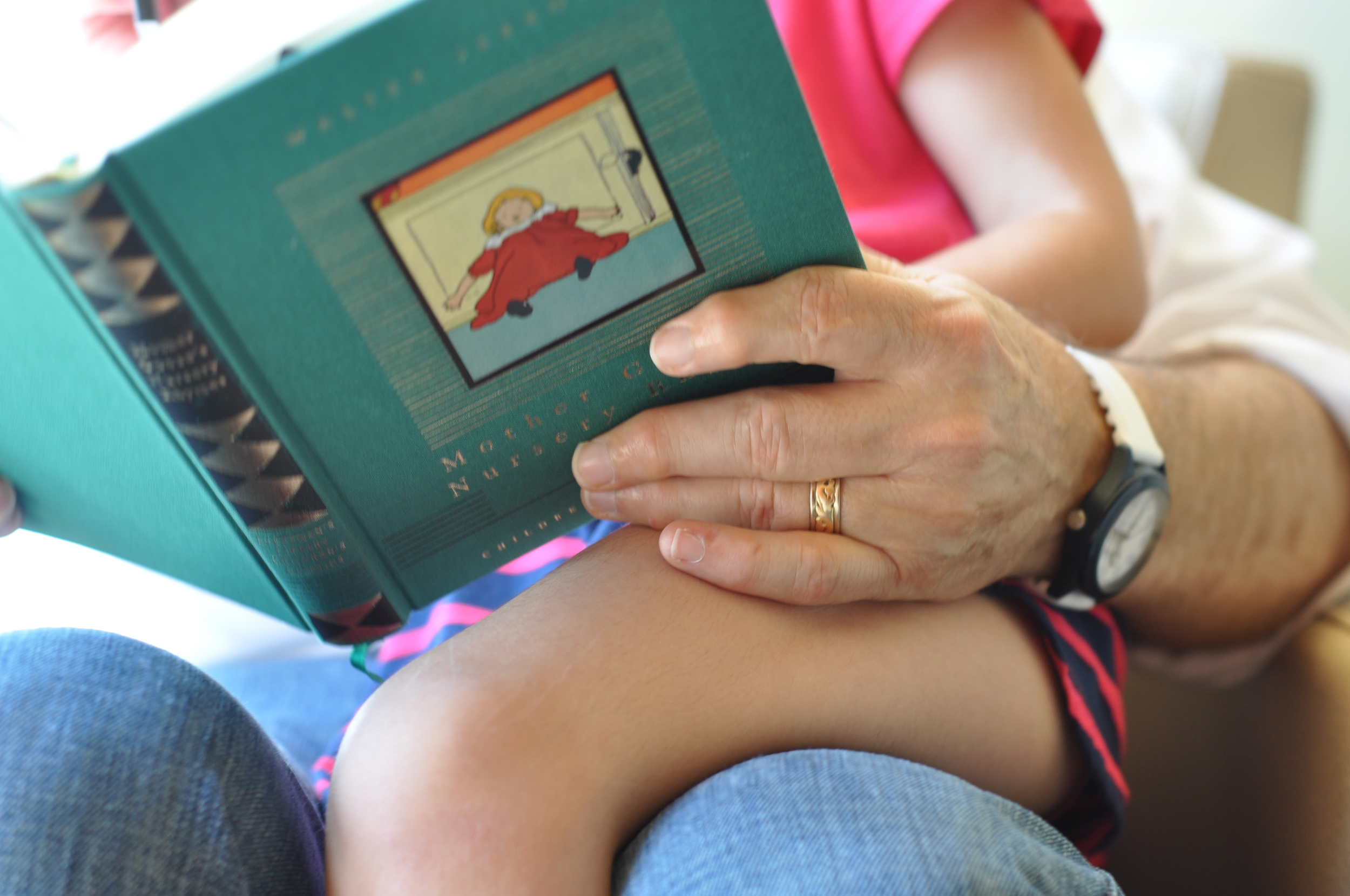
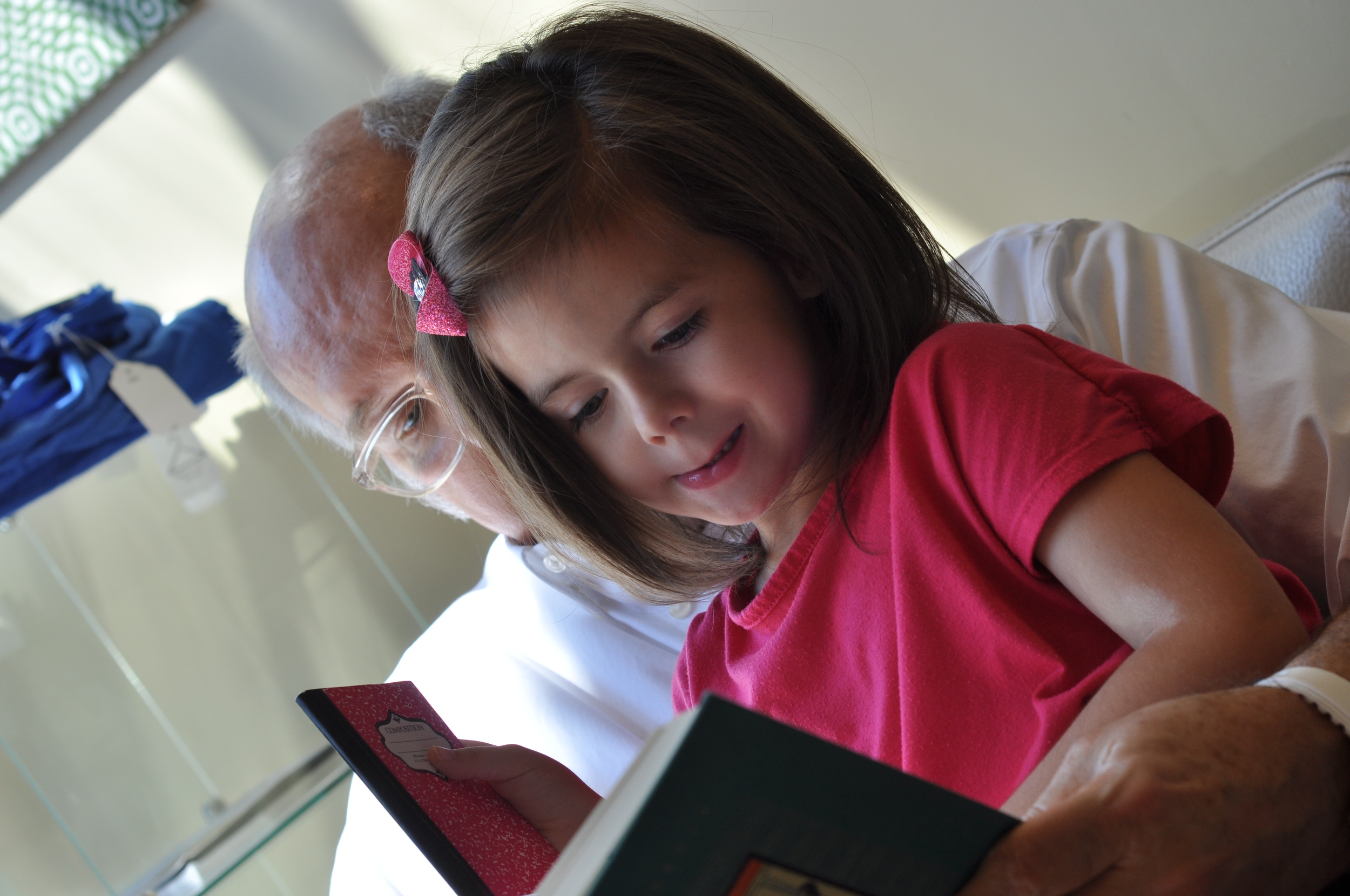
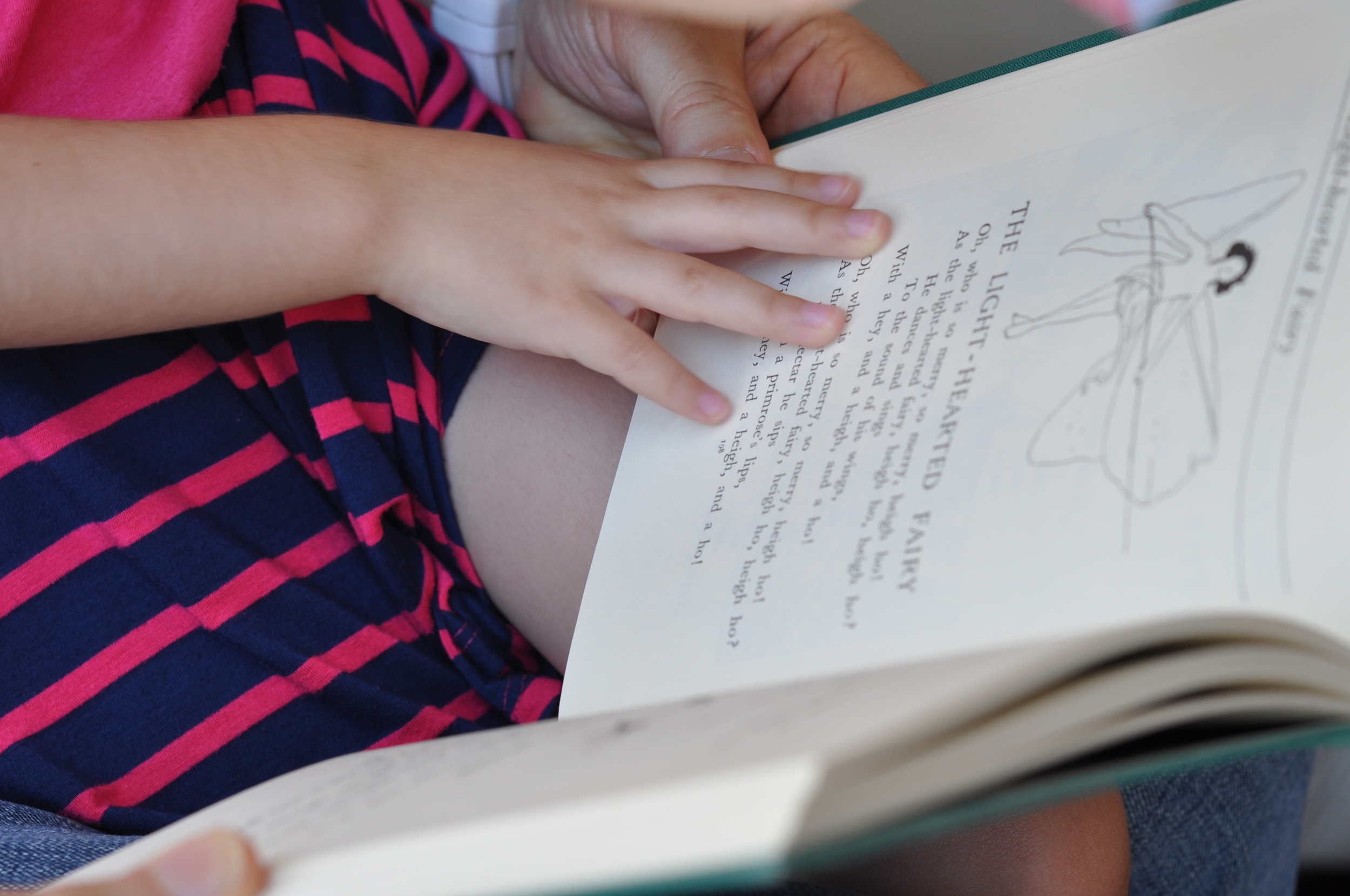
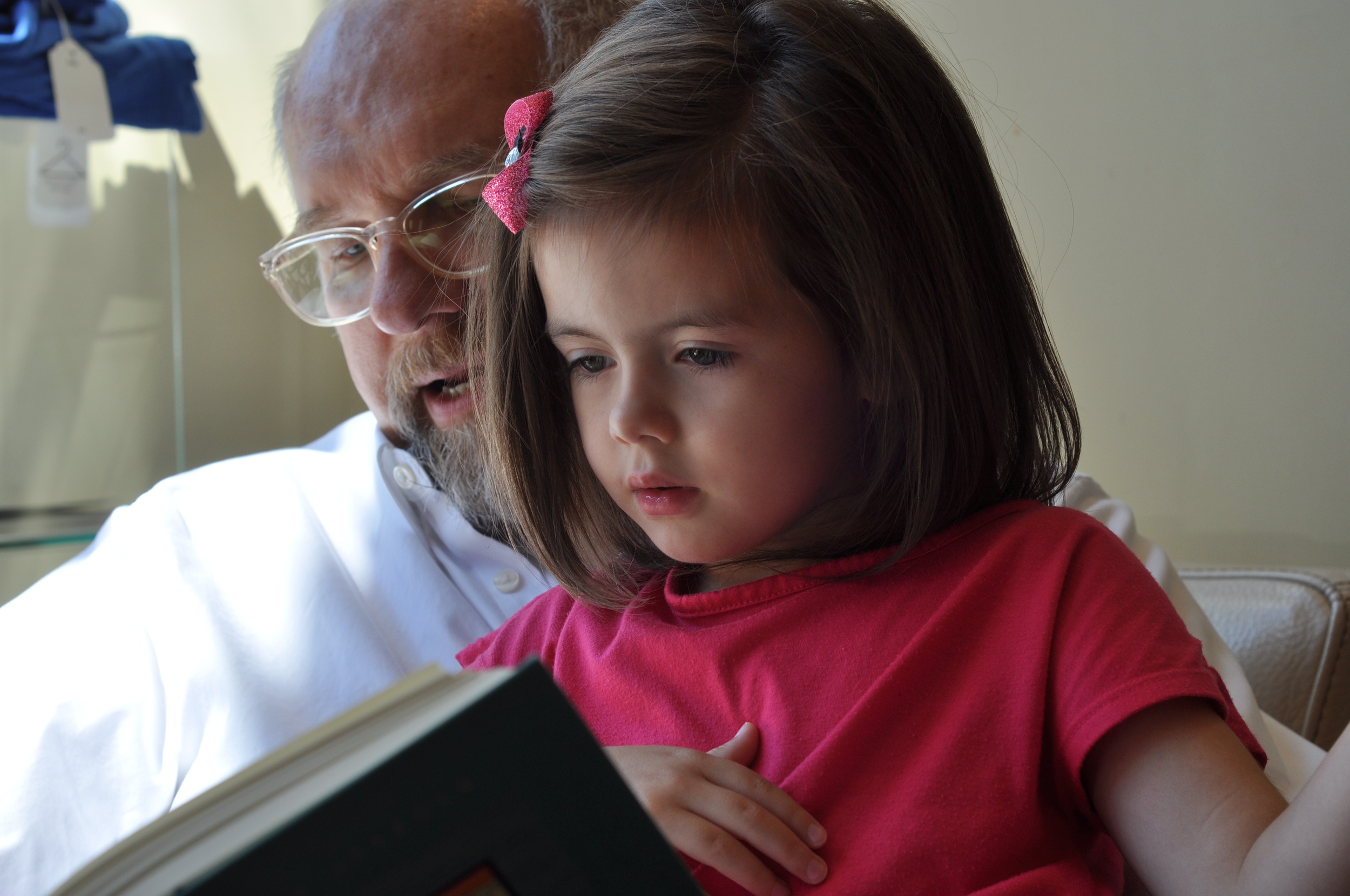
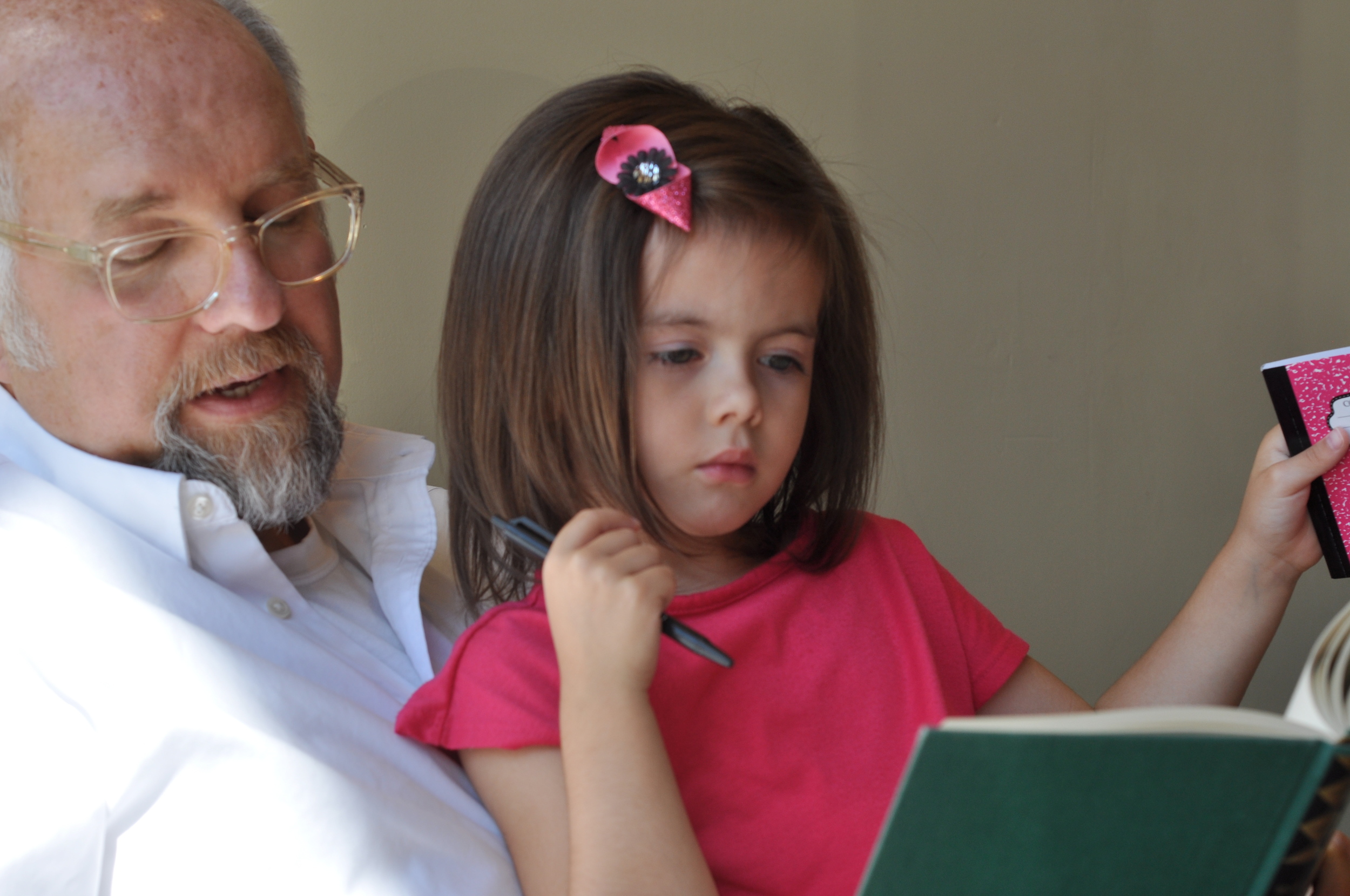
I couldn't resist adding a few photos of Karlee and me, under the guise of showing just how engaging the old Mother and her words can be even for a precocious four year-old in the 21st century. Just look at the enchantment. Remember, this is not a tablet we're looking at, it's a book. There are very few pictures, only illustrations, and black and white at that. 

There is just something that is compelling about those melodramatic three little kittens who lost their mittens? 

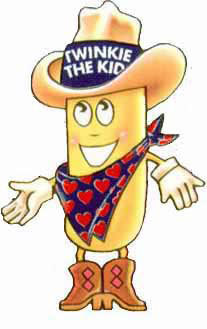
And anthropomorphism isn't just for kids and kids at heart. Remember how we were first enticed to taste a Twinkie®?

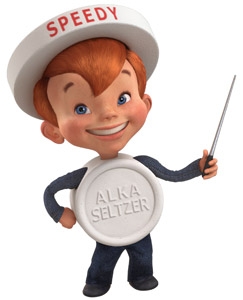
And then when we needed relief, we knew that we could trust our little friend Speedy®.

See, isn't anthropomorphism fun? And I didn't even slide into theology this time. Oh, but the places we could go!

Anthropomorphizing

Here are some things we know for sure:

Dog goes woof, cat goes meow.
Bird goes tweet, and mouse goes squeak.
Cow goes moo. Frog goes croak, and the elephant goes toot.
Ducks say quack and fish go blub, and the seal goes OW OW OW.

We also know that owls are wise, lions are courageous, that Grover is lovable and furry. We also know that the fox is somehow foxy, sly, wily and crazy, all at the same time.

We know that some dogs can talk: Goofy, and some can't: Pluto.

Do we know that all of this is that wonderful stuff of storytelling called anthropomorphism?

The attribution of human form or other characteristics to anything other than a human being. Examples include depicting deities with human form and ascribing human emotions or motives to forces of nature, such as hurricanes or earthquakes.
Anthropomorphism has ancient roots as a literary device in storytelling, and also in art. Most cultures have traditional fables with anthropomorphised animals, which can stand or talk like humans, as characters. (Wikipedia)

Anthropomorphism can be fun and dangerous. It's fun as long as we're talking about Mickey Mouse, Donald Duck, Winnie-the-Pooh, or Big Bird. But when we start creating God in our own image, forgetting it was meant to be the other way around, the slope gets slippery fast. We do things like putting a vanity tag that says, "BLESSED" on the back of our Escalade, assuming Jesus wants all His children to drive Escalades. And worse yet, we start putting our words in His mouth, and He starts liking the things (and people) we like and hating the things (and people) we hate.

In the last post I mentioned the Daily Artifact poster exhibit. Here's one of those posters. It's constructed from a photo of "Jesus" with an appropriate hashtag.

From the Daily Artifact project

From the Daily Artifact project

So while the pharisees go blah, blah, blah, blah; and the
Dog goes woof, cat goes meow.
Bird goes tweet, and mouse goes squeak.
Cow goes moo. Frog goes croak, and the elephant goes toot.
Ducks say quack and fish go blub, and the seal goes OW OW OW. 

There's one sound that no one knows...
WHAT DOES THE FOX SAY?

Check out this video that the Grand-Girls and I watch together every chance we get: